by dawnjensen | Dec 27, 2023 | Digital Marketing Service, Entrepreneurial Marketing, Social Media

Photo by Rain Bennett on Unsplash | Commercial use allowed
The Power of Storytelling in Branding
Brand storytelling is a narrative technique used by companies and brands to enhance their brand identity and engage audiences. It goes beyond simply promoting products or services and instead focuses on crafting compelling stories that resonate with consumers on an emotional level. Storytelling is an essential element of successful marketing strategies as it creates a deeper connection with customers and drives conversions and revenue growth. Moreover, storytelling helps humanize the brand by establishing a sense of trust and loyalty with the audience.
Several successful brand storytelling campaigns have captivated audiences and left a lasting impact. For example, Dove’s Real Beauty campaign used real-world stories to promote self-love and acceptance, resonating with millions of people worldwide.Airbnb tells stories of unique travel experiences, creating an emotional connection with their audience and inspiring their sense of wanderlust. Coca-Cola uses storytelling to evoke emotions and create a sense of happiness and togetherness, while Nike tells stories of overcoming challenges and inspiring athletes, building a strong emotional connection with their customers. These examples demonstrate the power of storytelling in branding and the ability to create a lasting impression on the audience.
Benefits of Brand Storytelling
Brand storytelling offers several key benefits for companies and brands. Firstly, it helps differentiate brands in a crowded market where consumers are constantly bombarded with information and advertising. By crafting a unique and compelling narrative, brands can stand out and capture the attention of their target audience.
Secondly, storytelling builds brand awareness and fosters brand loyalty. When consumers connect with a brand’s story and values, they become more likely to develop a sense of loyalty and trust, leading to repeat purchases and advocacy.
Moreover, storytelling creates emotional connections with consumers, fostering trust, loyalty, and a willingness to pay a premium price for products or services. When brands are able to tap into the emotions of their audience through storytelling, they can establish a deeper connection that goes beyond the functional benefits of their offerings.
Additionally, storytelling allows companies to differentiate themselves from their competitors. By sharing unique stories and experiences, brands can create a distinct identity that sets them apart in the market.
Lastly, brand storytelling increases engagement and advocacy. When consumers connect with a brand’s story, they are more likely to engage with the brand on social media, share their experiences with others, and become brand advocates. This word-of-mouth promotion can significantly impact brand perception and growth.
The Science Behind Storytelling
The power of storytelling lies in its ability to engage the human brain on multiple levels. When we listen to or read a story, various regions of our brain are activated, triggering the release of neurotransmitters like dopamine and oxytocin, which create positive emotional responses. These emotional responses make stories more memorable and impactful compared to facts or statistics.
Moreover, storytelling focuses on the human side of a brand rather than simply promoting the product or service. This approach builds empathy with the audience and allows them to connect with the brand on a deeper level. By sharing relatable stories and experiences, brands can tap into the emotions and values of their target audience.
Successful brand storytelling aligns with the buyer’s journey and reinforces the brand’s narrative. It takes into account the different stages of the buyer’s journey, from awareness to consideration and decision-making, and crafts narratives that resonate with customers at each stage. This alignment ensures that the brand story remains consistent and relevant throughout the customer’s interaction with the brand.
Implementing Effective Brand Storytelling Strategies
To implement effective brand storytelling strategies, companies should follow several key steps. Firstly, they need to identify their brand’s unique story and align it with the values and motivations of their target audience. Understanding the desires and challenges of the audience is crucial for crafting a compelling narrative that resonates with them.
Maintaining a cohesive brand voice and consistency in storytelling is also important.This ensures that the brand story remains authentic and recognizable across different channels and touchpoints.
Utilizing various storytelling techniques and mediums is another effective strategy. Brands can leverage articles, videos, infographics, and other formats to share their stories in engaging and visually appealing ways.
Additionally, involving the audience in the storytelling process is crucial. Brands should actively seek feedback and evaluate the impact of their storytelling efforts. By listening to their audience and adapting the brand story based on feedback and analytics, companies can continuously improve their storytelling strategies.
Examples of Successful Brand Storytelling Campaigns
Several brands have successfully utilized storytelling to create powerful connections with their audience. One notable example is Dove’s Real Beauty campaign, which challenged traditional beauty standards and showcased real-world stories of diverse individuals. This campaign resonated with millions of people and sparked conversations about self-love and acceptance.
Airbnb is another brand that effectively uses storytelling to create an emotional connection. Through their platform, they share stories of unique travel experiences, inspiring a sense of adventure and wanderlust in their audience.
Coca-Cola has also mastered the art of storytelling, using narratives that evoke happiness, togetherness, and celebration. Their campaigns often focus on the human connection and create a sense of joy and shared experiences.
Nike is renowned for its storytelling campaigns that inspire and motivate athletes. By sharing stories of overcoming challenges and achieving greatness, Nike builds a strong emotional connection with their audience.
These examples highlight the impact of storytelling in capturing audience attention, building emotional connections, and shaping brand perception.
Harnessing the Power of Brand Storytelling
Brand storytelling is a powerful tool that can enhance brand identity, engage audiences, and drive business growth. By creating compelling narratives, brands can differentiate themselves in a crowded market, build awareness, foster loyalty, and create emotional connections with consumers. The science behind storytelling reveals its ability to engage the human brain on multiple levels, making stories more memorable and impactful. Implementing effective brand storytelling strategies involves aligning the brand story with the values and motivations of the target audience, maintaining consistency, and utilizing various storytelling techniques and mediums. Successful brand storytelling campaigns, such as Dove, Airbnb, Coca-Cola, and Nike, demonstrate the potential impact and effectiveness of storytelling in branding. To thrive in today’s competitive landscape, businesses should prioritize storytelling and leverage its power to connect with their audience on a deeper level. By integrating storytelling as the foundation of their marketing initiatives, brands can build stronger relationships, drive customer loyalty, and ultimately achieve long-term success.
Resources
- https://www.forbes.com/sites/forbescommunicationscouncil/2022/06/09/why-storytelling-wins-in-marketing
- https://growthnatives.com/blogs/content-marketing/power-of-storytelling
- https://mailchimp.com/resources/brand-storytelling
- https://farinella.com/the-power-of-brand-storytelling

by dawnjensen | Dec 14, 2023 | CMO/CXO, Digital Marketing, Digital Marketing Service, Entrepreneurial Marketing
Are you in need of marketing leadership? Someone to drive your go-to-market strategy, provide guidance to your team, and integrate various activities? While the role requirements may seem straightforward, finding the right solution can be challenging. In a world with diverse and flexible marketing leadership options, how do you determine the best fit for your organization?
To find the answer, it’s essential to have a clear understanding of different marketing engagement models, leadership responsibilities, and commitment levels.
Table of Contents
- Factors to Consider When Searching for Marketing Expertise
- Distinctions Between Marketing Leadership Models
- Comparison Guide for Models
- Finding the Right Fit for Your Business
Factors to consider when searching for marketing expertise
Should you hire an in-house marketing leader? Or should you seek the expertise of an external strategic consultant or interim CMO? Additionally, what about the emerging concept of a fractional CMO?
Opting for a full-time employee to lead your marketing strategy is a viable choice if you can afford the investment (e.g., salary, bonus, and benefits), attract suitable talent, and have a budget to support the strategies developed by this leader. However, for many growing businesses, the need for marketing leadership arises before a full-time role can be justified. During this stage, companies require expertise on a more flexible basis.
For these growing businesses, fractional CMOs have emerged as a suitable solution. Fractional CMOs offer internal leadership on a part-time, flexible basis and bridge the gap between the need for marketing leadership and justifying a full-time role.
But how do fractional CMOs differ from other part-time and contract marketing leadership models available, such as interim CMOs and strategic consultants? This guide examines and compares these various marketing leadership models.
Understanding distinctions between marketing leadership models
What is a fractional CMO?
A fractional CMO is a part-time marketing executive who assumes a leadership position for an extended duration (typically 18-24 months or more) to assist a growing business in establishing and expanding its marketing function. In many cases, a fractional CMO serves as the initial senior-level marketing leader for a growing business, playing a role in building the necessary internal and external capabilities to achieve organizational goals.
A fractional CMO is an ideal solution for businesses that require a dedicated marketing leader but do not need this role on a full-time permanent basis or are not yet prepared to definitively outline the requirements for a future full-time hire. Many companies have recognized the advantage of contracting executive roles that are not core to their products or services. The fractional model has long been a solution in finance and human resources and has recently gained popularity in sales and marketing leadership positions. Fractional CMOs™ are responsible for developing strategic, sustainable, and sales-aligned marketing teams and programs. They actively participate in the leadership team, building strong relationships with founders/owners, executives, and sales and business unit leaders. While working part-time, a fractional CMO operates like any other leader within your organization, driving the growth and evolution of your marketing function and being accountable for achieving results.
A fractional CMO’s main focus is to establish robust and thriving teams and generate revenue-generating marketing initiatives. Alongside managing ongoing marketing activities, a fractional CMO will assist in creating a long-term marketing resource plan and strategy, encompassing goals/metrics, budgeting, team building, vendor selection, technology implementation, and more.
In the end, a fractional CMO may aid your organization in making a permanent leadership hire or mentor a promising individual within your team to assume the role. In certain cases, a fractional CMO can serve as a more enduring solution, especially for companies that are progressing towards an acquisition.
What does an interim CMO do?
An interim CMO is a marketing executive who assumes a leadership position for a short-term or undefined period during a period of organizational transition. Common situations for hiring an interim CMO include: leadership turnover, business turnarounds, rapid growth, expected or recent mergers, acquisitions, or integration.
An interim CMO can effectively fill a sudden leadership gap in a marketing organization, ensuring continuity for the marketing team and partners while giving leaders the time to find a more long-term solution. Some companies prefer to employ an interim CMO on a contracted basis to assess their suitability before making a permanent job offer.
Interim CMO roles are typically full-time or close to full-time, and they often involve overseeing an established marketing team and program. An interim CMO is a common solution for mid-market or larger organizations that require an executive marketing leader to function effectively.
The primary objective of an interim CMO is to mitigate risks and prevent the loss of talent, productivity, focus, budget, and team confidence. Exceptional interim CMOs will not only accomplish these tasks but also provide additional value as marketing strategists, coaches, and resource managers. Typically, the interim CMO assists in onboarding the new permanent hire and then transitions out of the organization.
What do strategic marketing consultants do?
Strategic marketing consultants typically adopt a hands-off approach. They operate externally to your team, rather than assuming a formal leadership role, and assist in developing marketing strategies, plans, and evaluating/assessing current programs. Subsequently, they provide the results and recommendations to a designated contact on your team.
Many marketing consultants offer strategic planning services, but they typically specialize in a specific area such as digital marketing, public relations, branding, or advertising. As a result, their strategic plans tend to focus on the channels and strategies they are most familiar with, rather than considering the entire marketing ecosystem. While strategic marketing consultants may offer project-level support based on their expertise, they are rarely responsible for the overall marketing budget and ROI.
Strategic consultants often work on a short-term, contract basis for multiple clients, dividing their time across different accounts. This is in contrast to fractional or interim CMOs, who typically work with a single company.
The main goal of a strategic marketing consultant is to achieve specific objectives that they were hired to impact. This may involve increasing conversion rates through a specific marketing channel, evaluating processes for efficiency improvements, or analyzing data to provide market insights.
Comparison: Fractional CMO vs. Interim CMO vs. Strategic Consultant
Attributes of a Fractional CMO
- Longer-term: Establishes a leadership position in companies that previously lacked one, often when marketing was overseen by the founder or head of sales.
- Often part-time: Scaled to match the company’s growing marketing function.
- Common among small to mid-sized businesses that have never had an executive marketing leader and are ready to transition to someone with strategic marketing expertise.
- Primary objective: Build a strong marketing team, align resources with the business plan, and drive revenue growth.
- Primary driver: Increase opportunities and outcomes.
Attributes of an Interim CMO
- Shorter-term: Fills a temporary gap, often stepping in for a full-time role while the company searches for a permanent replacement.
- Often full-time: Works closely with an existing marketing team in mid-sized to larger companies.
- Common in companies that have an established marketing executive role and require someone to lead the team.
- Primary objective: Maintain stability, prevent staff loss, evaluate the current team and program, and facilitate the transition to a new full-time CMO.
- Primary driver: Reduce loss and risk, ensure the marketing team continues to operate smoothly.
Attributes of a Strategic Marketing Consultant
- Shorter-term: Typically, companies hire marketing consultants on a contract basis to assist with specific short-term goals.
- Often, marketing consultants are compensated on an hourly or project-based rate and may have multiple clients simultaneously, limiting the amount of time they can spend on each client.
- Marketing consultants are commonly employed by businesses of all sizes that already have established marketing departments but require additional support from specialized contracted experts to enhance their programs and teams.
- The primary objective of a marketing consultant depends on the specific reason they were hired, but it usually has a narrow focus. Consultants often work alongside existing marketing teams to provide specific recommendations, plans, or projects.
- The main driver for hiring a marketing consultant is to deliver a particular recommendation, plan, or project to support the overall marketing strategy.
Which marketing leadership model is suitable for your business?
Choosing the right marketing leader for your company is a significant decision. To make an informed choice, you should evaluate your current business situation by considering the following questions:
- Do you currently have someone in a marketing leadership role? Alternatively, is your marketing led by your CEO, founder, president, or head of sales? Perhaps you have a talented individual on your team who could benefit from strategic guidance and development.
- What are the reasons behind your consideration of hiring marketing leadership? Is your existing marketing program not producing the desired results? Are you struggling to determine the return on investment (ROI) of your marketing efforts or how they impact revenue?
- Are you seeking to fill a leadership gap within your already established marketing program or team? Alternatively, are you looking for a marketing leader who can establish and develop a strategic, sales-aligned marketing program and team from scratch?
- Is your business engaging in haphazard marketing activities instead of implementing a well-thought-out, integrated, and consistent marketing strategy?
- Do you require hands-on guidance and direction to implement various elements of your marketing strategy? Or do you need specialized expertise to support a specific, narrow marketing objective?
These questions will help you assess your business needs and determine which marketing leadership model will best support your growth and goals.
by dawnjensen | Dec 7, 2023 | CMO/CXO, Digital Marketing, Digital Marketing Service, Entrepreneurial Marketing
Understanding the Financial Investment
Employing a fractional Chief Marketing Officer (CMO) can offer significant advantages. By opting for a fractional CMO, you can access the expertise and guidance of a CMO without the expense of hiring a full-time professional. The cost of a fractional CMO, however, can vary depending on your strategic objectives, business growth targets, and overall company goals. The level of service you require will directly influence the price you can expect to pay. This should be measured against hiring a full-time person or a team of less experienced professionals who may take more time and practice to identify, streamline and produce the scope required against the business objectives and KPIs.
Understanding Fractional CMO Rates
When considering the cost of hiring a fractional CMO, it’s important to recognize that their rates can fluctuate depending on various factors, including the specific industry. Hourly, retainer, or day rates are typically determined by the scope of work and time commitment required. Fractional CMO rates can range anywhere from $150 to $500 per hour. On average, you can expect the typical hourly rate to be between $200 and $375.
What’s typically included in a Fractional CMO Retainer
By securing a fractional CMO retainer, you gain access to an experienced professional who will fill the role of your head of marketing. They will thoroughly examine your current marketing strategies, take ownership of marketing initiatives, and provide strategic guidance aimed at achieving your business and revenue objectives. Consider a fractional CMO as the “tip of the spear” for your marketing initiatives. They provide operational guidance and take action on the work jobs to be done.
The following key elements are typically included in a fractional CMO retainer:
- Selection of a part-time marketing executive with expertise in marketing and strong leadership skills
- Development of a plan and process for customer acquisition and retention activities, along with a customer-journey marketing budget
- Long-term commitment and dedicated time and effort to drive measurable outcomes
Understanding Exclusions from a Fractional CMO Retainer
What a Fractional CMO Retainer won’t cover:
- Predefined strategies, approaches, digital marketing campaigns, marketing tactics, or software tools
- A guaranteed increase in leads and revenue growth within a short timeframe
- A replacement for outsourcing services such as digital advertising, content marketing, technical SEO support, and public relations
Although a embedded Chief Marketing Officer can provide these services to your business, this most likely be at an additional cost, unless otherwise noted.
Estimating the Cost of a Fractional CMO
How Do I Estimate the Cost of a Fractional CMO?
The cost of hiring a fractional CMO can vary based on the desired level of involvement. If you only require assistance with strategy and planning, the “salary” cost will be lower compared to hiring a fractional CMO who will also execute those plans. You can review the scope of what is needed from your fractional marketing leaders to ensure the best fit and pricing aligns with your specific needs.
Your budget for a fractional CMO will depend on the extent of work required and the time commitment involved. Generally, you should anticipate spending anywhere from 1 to 10 hours per week or over 40 hours per month for this type of arrangement.
If you are running a small organization or are just starting out, you may only require 3-5 hours per week to handle tasks such as creating a marketing strategy, coordinating digital campaigns, measuring marketing performance, and generating monthly marketing insights reports. However, if you have a larger organization with an existing marketing team, you may need 10 or more hours per week to provide strategic oversight, manage initiatives and projects, and mentor your marketing team.
What is the price of using a fractional CMO service?
Engaging with a fractional CMO can be beneficial in terms of budget allocation, as it allows for a higher return on investment despite making a smaller initial investment in part-time marketing efforts.
Some businesses believe that spending a significant amount on marketing is necessary for success. However, this is not always true. By employing a fractional CMO, you can avoid common marketing mistakes and boost your business growth without excessive spending.
What should I pay for a fractional executive-level CMO?
Payment is typically based on the number of hours the part-time CMO works per week and the specific marketing deliverables required for the project. For example, if you need assistance with developing and implementing a marketing plan, it may require 10 hours of work per week. There are successful marketing strategies and tactics that exist, and they don’t always require a fortune to implement. For small business owners, marketing can be one of the most challenging aspects of running a successful company.
As a small business owner, there may be times when you need to bring in the best marketing professionals available, but only on a temporary basis. In such cases, using a fractional CMO as an interim CMO can be the ideal solution.

by dawnjensen | Dec 1, 2023 | CMO/CXO, Digital Marketing, Digital Marketing Service, Entrepreneurial Marketing
|
|
| A fractional CMO, or Chief Marketing Officer, is a highly experienced marketing professional who works part-time or on a project basis for multiple companies. Unlike a full-time CMO, a fractional CMO brings their expertise and strategic guidance to businesses without the commitment of a permanent role. This flexible arrangement allows small and mid-sized businesses to access high-level marketing leadership at a fraction of the cost. [0, 1, 2] |
|
| Fractional CMOs offer various benefits to businesses, including cost-effectiveness, as they eliminate the need for full-time executive salaries and benefits. They also bring fresh perspectives and industry insights from working with multiple clients, driving innovation and creativity in marketing strategies. Additionally, fractional CMOs provide scalability by adapting their services based on the business’s needs and objectives. [3, 4, 5] |
|
| The Role Of A Fractional CMO In Driving Marketing Strategy And Growth |
|
| A fractional Chief Marketing Officer (CMO) plays a crucial role in driving marketing strategy and fueling business growth. Unlike a full-time CMO, a fractional CMO offers their expertise on a part-time or project basis, making it more cost-effective for small and medium-sized businesses. The primary responsibility of a fractional CMO is to develop and execute an effective marketing strategy tailored to the unique needs of the company. [6, 7, 8] |
|
| This involves conducting market research, identifying target audiences, creating compelling messaging, and implementing various marketing initiatives. Additionally, a fractional CMO collaborates with internal teams to align marketing efforts with overall business objectives. They provide guidance on branding, customer acquisition strategies, lead generation tactics, and digital marketing campaigns. [9, 10, 11] |
|
Finding The Right Fractional CMO For Your Company’s Needs
|
|
| When searching for a fractional CMO (Chief Marketing Officer) to support your company’s growth, it is crucial to find the right fit for your unique needs. Start by assessing your organization’s marketing requirements and goals. Consider factors such as industry expertise, strategic thinking, and experience with similar businesses or target markets. Look for a fractional CMO who can align their skills with your company’s vision, values, and culture. [12, 13, 14] |
|
| Furthermore, evaluate their track record of success in driving marketing initiatives and achieving measurable results. A strong understanding of digital marketing trends and technologies is essential in today’s competitive landscape. Communication skills are also vital to ensure effective collaboration and integration with existing teams. [15, 16, 12] |
|
Key Considerations When Hiring A Fractional CMO
|
|
| When considering hiring a fractional Chief Marketing Officer (CMO), there are several important factors to take into account. Firstly, it is crucial to clearly define your marketing goals and objectives, as this will help you find a fractional CMO with the right expertise and skillset to achieve them. Additionally, evaluating the candidate’s track record and industry experience is essential to ensure they can effectively navigate your specific market landscape. [17, 18, 19] |
|
| It is also important to establish clear communication channels and expectations from the outset, ensuring that the fractional CMO understands your company’s culture and values. Finally, considering their availability and commitment level is necessary to ensure they can dedicate sufficient time and effort to your marketing initiatives. [20, 8] |
|
Maximizing Results: How To Successfully Collaborate With A Fractional Cmo
|
|
| Collaborating with a fractional Chief Marketing Officer (CMO) can be a game-changer for businesses looking to optimize their marketing strategies. To ensure maximum results from this partnership, it is crucial to establish clear communication channels and goals right from the start. A successful collaboration begins with aligning expectations and understanding the unique expertise that a fractional CMO brings to the table. [21, 22, 23] |
|
| A key aspect of maximizing results is fostering a strong working relationship built on trust and transparency. Regular meetings and updates are essential for keeping everyone on track and accountable. Additionally, providing the fractional CMO with access to relevant data and insights will enable them to make informed decisions that drive growth. [20, 22, 24] |
|
References
| [0] |
“Should My Business Hire A Fractional CMO Or Use An Agency? * Cemoh”, cemoh.com, Unknown, https://cemoh.com/blog/should-my-business-hire-a-fractional-cmo-or-use-an-agency/, Web, Accessed 26. Nov 2023 |
| [1] |
“What Is A Fractional CMO? | Blue Burst Media”, blueburstmedia.com, Unknown, https://blueburstmedia.com/what-is-a-fractional-cmo/, Web, Accessed 26. Nov 2023 |
| [2] |
“What Is A Fractional CMO?”, intelligentpeople.co.uk, Unknown, https://www.intelligentpeople.co.uk/employer-advice/fractional-cmo/, Web, Accessed 26. Nov 2023 |
| [3] |
“What is a fractional CMO? – Employment Security Commission”, ncesc.com, Unknown, https://www.ncesc.com/what-is-a-fractional-cmo/, Web, Accessed 26. Nov 2023 |
| [4] |
“The Best Fractional Cmo Companies of 2023 – Hire Better with Credo”, getcredo.com, Unknown, https://www.getcredo.com/pros/fractional-cmo/, Web, Accessed 26. Nov 2023 |
| [5] |
“Fractional CMO Services | EWR Digital”, ewrdigital.com, Unknown, https://www.ewrdigital.com/digital-marketing-services/staff-augmentation/fractional-cmo, Web, Accessed 26. Nov 2023 |
| [6] |
“What Are the Must-Have Skills of Fractional CMO? – Don’t Do It Yourself”, ddiy.co, Unknown, https://ddiy.co/fractional-cmo-skills/, Web, Accessed 26. Nov 2023 |
| [7] |
“The Benefits of Having a Fractional CMO for Small Businesses – MOGXP LLC”, mogxp.com, Unknown, https://mogxp.com/the-benefits-of-having-a-fractional-cmo-for-small-businesses/, Web, Accessed 26. Nov 2023 |
| [8] |
“The Power of Fractional CMO: Unlocking Business Growth and Success”, mahdlo.net, Unknown, https://www.mahdlo.net/blog/the-power-of-fractional-cmo-unlocking-business-growth-and-success, Web, Accessed 26. Nov 2023 |
| [9] |
“Fractional Chief Marketing Officer (CMO) – Mandel Marketing”, mandelmarketing.com, Unknown, https://www.mandelmarketing.com/fractional-cmo/, Web, Accessed 26. Nov 2023 |
| [10] |
“Fractional CMO Services >> Fractional CMO: GROKKETSHIP”, grokketship.com, Unknown, https://www.grokketship.com/fractional-cmo-services/, Web, Accessed 26. Nov 2023 |
| [11] |
“Fractional CMO Chief Marketing Officer Services”, flagstone.io, Unknown, https://flagstone.io/services/fractional-cmo, Web, Accessed 26. Nov 2023 |
| [12] |
“All About Outsourced or Fractional CMO | Halcon Marketing Solutions”, halconmarketing.com, Unknown, https://www.halconmarketing.com/post/outsourced-cmo-why-you-need-to-hire-one, Web, Accessed 26. Nov 2023 |
| [13] |
“Finding the Best Way To Work With Your Fractional CMO”, digitalauthority.me, Unknown, https://www.digitalauthority.me/resources/work-with-fractional-cmo/, Web, Accessed 26. Nov 2023 |
| [14] |
“The Power of Fractional CMOs: Choosing the Perfect Strategic Partner for Business Growth”, blackbear.global, Unknown, https://blackbear.global/blog/the-power-of-fractional-cmos-choosing-the-perfect-strategic-partner-for-business-growth/, Web, Accessed 26. Nov 2023 |
| [15] |
“CMO as a service: The definitive guide to fractional CMOs”, productiveshop.com, Unknown, https://productiveshop.com/fractional-cmo/, Web, Accessed 26. Nov 2023 |
| [16] |
“Maximizing Marketing Potential: The Indispensable Benefits of Hiring a Fractional CMO — Irene-Marie Co.”, irene-marieco.com, Unknown, https://www.irene-marieco.com/irene-marie-co-marketing-blog/unlocking-marketing-success-why-your-business-needs-a-fractional-cmo, Web, Accessed 26. Nov 2023 |
| [17] |
“Fractional CMO: Signs Your Company Needs a Fractional CMO”, kiranvoleti.com, Unknown, https://kiranvoleti.com/fractional-cmo, Web, Accessed 26. Nov 2023 |
| [18] |
“What Is A Fractional CMO? * Cemoh”, cemoh.com, Unknown, https://cemoh.com/blog/what-is-a-fractional-cmo/, Web, Accessed 26. Nov 2023 |
| [19] |
“What is a Fractional CMO: A Comprehensive 2023 Guide – Jeannine Betts”, jeanninesadvice.com, Unknown, https://jeanninesadvice.com/what-is-a-fractional-cmo, Web, Accessed 26. Nov 2023 |
| [20] |
“Unlock the Benefits of Hiring a Fractional Chief Marketing Officer – Rokture”, rokture.com, Unknown, https://rokture.com/unlock-the-benefits-of-hiring-a-fractional-chief-marketing-officer-3/, Web, Accessed 26. Nov 2023 |
| [21] |
“How to Choose the Right Fractional CMO for Your Business – Lilach Bullock: Your Guide To Digital Marketing, Tools and Growth”, lilachbullock.com, Unknown, https://www.lilachbullock.com/how-to-choose-the-right-fractional-cmo-for-your-business/, Web, Accessed 26. Nov 2023 |
| [22] |
“Fractional CMO vs. Outsourced Marketing: Which is Right for You? – Fullerton Strategies”, fullertonstrategies.com, Unknown, https://fullertonstrategies.com/fractional-cmo-vs-outsourced-marketing-which-is-right-for-you/, Web, Accessed 26. Nov 2023 |
| [23] |
“What is a Fractional Chief Marketing Officer (CMO) – Rokture”, rokture.com, Unknown, https://rokture.com/what-is-a-fractional-chief-marketing-officer-cmo/, Web, Accessed 26. Nov 2023 |
| [24] |
“How Does a Fractional CMO Work, and What Does a Fractional CMO Do?”, peterodonoghue.com, Unknown, https://www.peterodonoghue.com/how-does-a-fractional-cmo-work-and-what-does-a-fractional-cmo-do/, Web, Accessed 26. Nov 2023 |
by dawnjensen | Nov 28, 2023 | Entrepreneurial Marketing, Social Media
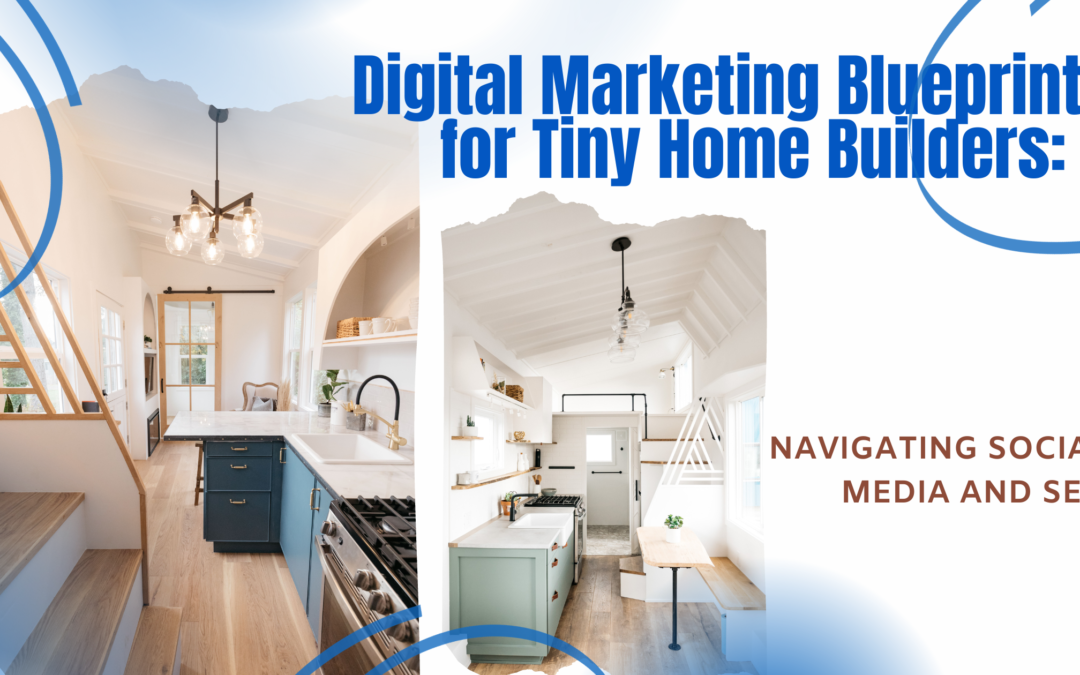
Building a tiny home can be an exciting adventure, but getting the word out about your business can be a challenge. In today’s digital age, having a strong online presence is crucial for success. Here are some tips for navigating social media and SEO as a tiny home builder:
Utilize social media platforms
Social media platforms such as Facebook, Instagram, and X (Twitter) are great tools for reaching potential customers. Share photos and updates of your tiny homes in progress and completed projects. Engage with your audience by responding to comments and messages.
-
- Connect your social media using a social media management tool
- Establish a unified inbox (think Meta and Instagram)
- Engage your fans & followers
Develop a content strategy
Creating valuable content will help build your brand and establish you as an authority in the tiny home industry. Consider starting a blog where you can share information about the building process, design inspiration, client testimonials and eco-friendly or energy-saving materials. Share your blog articles on social media to drive traffic to your website.
-
- Write blog posts that answer your customer pain points
- Link to online facts, figures, quotes or statistics to provide link building
- Re-purpose blog posts to LinkedIn Articles to amplify your message
- Create libraries of content to showcase the services (design, build, deliver), the business brand, testimonials, and the tiny house lifestyle
Optimize your website for SEO
Search engine optimization (SEO) is the process of optimizing your website to rank higher in search engine results pages (SERPs). This can increase the visibility of your website to potential customers. Conduct keyword research and use those keywords throughout your website’s content, including titles, meta descriptions, and headers.
-
- Develop a website FAQ section
- Update Alt Image Tags
- Update Page Titles and Headers
- Make sure your website content had SEO keywords and key phrases
Utilize local SEO
As a tiny home builder, your business is likely focused on a specific geographic area. Utilize local SEO tactics, such as creating a Google My Business listing, to increase your visibility to local customers.
-
- Claim all business listings (Yelp, yp.com, Google, Yahoo, Bing, etc)
- Build out full and complete listings
- Add photos and video to each listing
By utilizing these tips, you can navigate social media and SEO to build a strong online presence and reach potential customers as a tiny home builder.
by dawnjensen | Nov 14, 2023 | Digital Marketing, Social Media

Photo by Domenico Loia on Unsplash | Commercial use allowed
Branding and influencer marketing are two powerful strategies that play a significant role in modern marketing. Branding involves creating a unique identity for a product or company, while influencer marketing involves partnering with influential individuals to promote products or services. In the digital age, where consumers are bombarded with advertising messages, branding in influencer marketing has become increasingly important for establishing credibility, attracting a loyal audience, and differentiating brands from competitors.
The Role of Branding in Influencer Marketing
Building a strong brand on social media platforms is crucial for raising brand awareness and establishing a positive reputation [1].Influencer marketing provides an effective way to drive brand awareness and gain credibility, as influencers have authority and trust with their audiences.By collaborating with influencers, brands can effectively convey their values and messaging, reaching a wider audience and enhancing their brand image.
For example, a skincare brand can partner with a beauty influencer known for their expertise in skincare. The influencer can create content that showcases the brand’s products, emphasizes their unique selling points, and shares personal experiences with the brand. Through this collaboration, the brand’s messaging and values are communicated effectively to the influencer’s audience, resulting in increased brand awareness and credibility.
Strategies for effective branding in influencer marketing include identifying the right influencers, developing a clear branding strategy, using the right tools, and measuring success. By selecting influencers whose values align with the brand’s, brands can ensure that their messaging remains consistent and resonates with the target audience. Additionally, using influencer marketing platforms can assist with influencer discovery, ensuring brand safety, and providing campaign reporting.
The Impact of Branding on Audience Trust and Loyalty
In today’s digital landscape, consumers are becoming increasingly skeptical of traditional advertising and are seeking authentic and trustworthy brand experiences. This is where branding in influencer marketing plays a crucial role. Branding helps build audience trust and loyalty by leveraging the credibility and authenticity of influencers.
When influencers collaborate with brands, they start conversations about the brand, increasing brand exposure and shaping brand perception.By associating themselves with the brand, influencers vouch for its authority and reputation, which strengthens audience trust and loyalty.
For instance, a fitness brand collaborating with a well-known fitness influencer can benefit from the influencer’s expertise and credibility. When the influencer promotes the brand’s products and shares their positive experiences, their audience is more likely to trust the brand and consider purchasing its products. This trust and loyalty translate into increased engagement, conversions, and a growing social media following for the brand.
Strategies for Effective Branding in Influencer Marketing
To ensure effective branding in influencer marketing, several strategies can be employed. Firstly, identifying the right influencers is crucial. Brands should consider influencers with follower ranges that align with their target audience, such as mega influencers, macro influencers, micro-influencers, and nano influencers. This ensures that the brand’s messaging reaches the right people and resonates with them.
Developing a clear branding strategy is also essential. This involves aligning the brand’s values with the influencer’s audience, defining campaign objectives, and establishing guidelines for content creation. By providing influencers with a clear understanding of the brand’s vision, messaging, and target audience, they can create content that effectively represents the brand and connects with their followers.
Using influencer marketing platforms can further streamline the branding process. These platforms assist with influencer discovery, ensuring brand safety, and providing campaign reporting. They offer valuable insights and metrics that help measure the success of branding efforts, such as reach, engagement, conversions, and audience sentiment.
Engaging with the audience is another vital strategy for effective branding in influencer marketing. By responding to comments and feedback, fostering a sense of community, and leveraging user-generated content, brands can strengthen their connection with their audience and build trust and loyalty.
The Role of Social Media in Brand Identity
Social media platforms have revolutionized the way brands interact with their audiences, allowing for connections and relationships that shape brand identity. Influencers play a significant role in this process by helping brands compete with competitors, gain industry recognition, and attract attention through creative and engaging content.
By building a consistent brand voice and aesthetic, engaging with the audience, and keeping up with social media trends and technologies, brands can effectively establish and maintain their brand identity on social media. Influencer-generated content has the potential to go viral, increasing visibility and expanding a brand’s customer base. Brands can leverage this content to maintain their reputation, change negative perceptions, and associate themselves with high-quality content.
For example, a fashion brand collaborating with a fashion influencer can benefit from the influencer’s expertise in creating visually appealing content. By consistently sharing fashion-related content that aligns with the brand’s style and values, the influencer helps shape the brand’s identity and attract attention from their followers.
Influencer marketing, with its strong emphasis on branding, has become a crucial part of every marketing strategy. Effective branding in influencer marketing enhances campaigns, builds audience trust and loyalty, and shapes brand identity on social media. Brands should consider incorporating influencer marketing into their strategy to leverage the power of influencers in driving brand awareness and credibility.
References
[1] Source https://www.fastcompany.com/90848836/why-influencer-marketing-is-becoming-a-crucial-part-of-every-marketing-strategy
[2] Source https://www.unboxsocial.com/blog/brand-must-work-with-influencers
[3] Source https://influencity.com/blog/en/how-to-build-a-brand-on-social-media-the-role-of-influencer-marketing
[4] Source https://www.business.com/articles/influencers-and-branding
by dawnjensen | Nov 7, 2023 | Entrepreneurial Marketing, Featured, Social Media

Photo by davisuko on Unsplash | Commercial use allowed
The Importance of Building a Strong Brand Identity for Entrepreneurs
Building a strong brand identity is crucial for entrepreneurs who want to make a lasting impression on their target audience and differentiate themselves from competitors. Brand identity encompasses the visual and emotional representation of a brand, including elements like logo, color palette, typography, and messaging. By establishing a strong brand identity, entrepreneurs can build trust and credibility, increase customer recognition, simplify decision-making for customers, attract like-minded employees, enhance marketing efforts, encourage customer referrals, and add value to their business.
A strong brand identity is more than just a logo or a catchy tagline. It is a combination of various elements that work together to create a unique and recognizable brand image. A strong brand identity helps entrepreneurs establish a strong presence in the market and connect with their target audience on a deeper level.
What is Brand Identity?
Brand identity encompasses the core values, personality, and purpose of a brand. It is the intentional representation created by the brand, while brand image reflects how well the audience connects with that identity. A strong brand identity goes beyond visual elements and creates a cohesive and memorable experience for customers.
For example, Apple is known for its sleek and minimalist design, innovative technology, and user-friendly products. These elements are all part of Apple’s brand identity and contribute to its strong brand image. When customers think of Apple, they associate it with these qualities, which sets it apart from its competitors.
The Importance of Brand Identity for Entrepreneurs
For entrepreneurs, a strong brand identity is essential for standing out, building customer loyalty, and driving business success in a competitive market. It influences consumer behavior and creates trust, familiarity, and loyalty. When customers resonate with a brand’s identity, they are more likely to choose that brand over others, become repeat customers, and recommend the brand to others.
A strong brand identity also helps entrepreneurs differentiate themselves from competitors. In a crowded market, having a unique and recognizable brand identity is crucial for attracting customers and gaining a competitive edge. When customers can easily identify and connect with a brand, they are more likely to choose that brand over others.
Steps to Build a Strong Brand Identity
Define Your Target Audience
Understanding the target audience is crucial for effective branding.Entrepreneurs should conduct thorough research to identify the specific needs, preferences, and pain points of their target audience. This information will guide the development of a brand identity that resonates with the target audience and addresses their unique challenges.
For example, if an entrepreneur is targeting young professionals who value sustainability, they would need to incorporate eco-friendly practices and messaging into their brand identity. By understanding the target audience, entrepreneurs can tailor their brand identity to meet their audience’s expectations and preferences.
Create a Unique Brand Story
Crafting a compelling brand story is an effective way to connect with potential clients and customers. The brand story should convey the brand’s values, pain points, and solutions. Sharing personal stories can create an emotional connection and help the audience relate to the brand on a deeper level.
For instance, TOMS shoes has a powerful brand story that resonates with its audience. The company’s founder, Blake Mycoskie, started TOMS with the mission of providing a pair of shoes to a child in need for every pair of shoes sold. This unique brand story has helped TOMS build a strong brand identity centered around social responsibility and giving back.
Consistency in Branding Across All Platforms
Maintaining consistency in branding across all touchpoints is important for establishing a strong brand identity. Entrepreneurs should ensure consistent messaging, visual identity, and brand voice across their website, social media profiles, marketing materials, and customer interactions. Consistency builds familiarity and trust with the audience and reinforces the brand’s identity.
For example, Coca-Cola maintains a consistent brand identity across all its platforms. The company’s red and white color scheme, unique font, and iconic logo are instantly recognizable. Whether customers encounter Coca-Cola on a billboard, a social media post, or a product label, they can easily identify it as Coca-Cola due to the consistent branding.
Building Brand Recognition and Loyalty
Delivering a consistent and authentic brand experience is crucial for building brand recognition and loyalty. Entrepreneurs should strive to provide excellent customer service, create positive customer experiences, and consistently deliver on their brand promise. By consistently meeting or exceeding customer expectations, entrepreneurs can build a loyal customer base that recognizes and trusts their brand.
For example, Amazon has built a strong brand identity based on its commitment to customer satisfaction and convenience. The company’s fast and reliable delivery, easy returns, and personalized recommendations have created a positive customer experience that has led to strong brand recognition and loyalty.
Leveraging Social Media for Brand Building
Social media plays a significant role in building a strong brand identity for entrepreneurs. It provides a platform for brand promotion, engagement with the target audience, and showcasing the brand’s personality. Entrepreneurs can leverage social media platforms to share their brand story, engage in conversations with customers, and establish themselves as industry experts.
For instance, Glossier, a beauty brand, has successfully built its brand identity through social media. The brand uses platforms like Instagram to showcase its products, engage with customers through comments and direct messages, and share user-generated content. Glossier’s strong social media presence has helped it build a community of loyal customers and establish itself as a leader in the beauty industry.
Best Practices for Building a Strong Brand Identity
To build a strong brand identity, entrepreneurs should consider the following best practices:
- Define the brand’s purpose and values.
- Conduct market research to understand the target audience and competitors.
- Develop a unique visual identity, including a logo, color palette, and typography.
- Create a brand style guide to maintain consistency in branding across different platforms.
- Craft a consistent brand voice across all communication channels.
- Monitor and refine the brand identity based on feedback from customers and market trends.
By following these best practices, entrepreneurs can establish a strong brand identity that resonates with their target audience and sets them apart from competitors.
Building a strong brand identity is crucial for entrepreneurs who want to stand out, build customer loyalty, and drive business success. By following the steps and best practices outlined, entrepreneurs can establish a compelling brand identity that resonates with their target audience. A strong brand identity creates trust, familiarity, and recognition, setting entrepreneurs on the path to long-term success.
by dawnjensen | Nov 3, 2023 | Digital Marketing, Entrepreneurial Marketing, Social Media

Photo by Glenn Carstens-Peters on Unsplash | Commercial use allowed
Social media has become an integral part of modern marketing, revolutionizing the way businesses connect with their target audience and promote their products or services. In this article, we will explore the role of social media in modern marketing, its transformative impact on marketing strategies, and the importance of establishing a strong online presence.
Social media platforms have transformed the landscape of marketing by offering numerous benefits for businesses.One of the key advantages is the ability to engage in targeted advertising, allowing companies to reach specific demographics and maximize the effectiveness of their campaigns. For example, a clothing brand targeting young adults can use social media platforms to display ads to users in the desired age range and geographical location.
Additionally, social media facilitates building brand awareness and generating leads. Companies can connect directly with prospects, partners, and customers, fostering valuable relationships and gathering feedback. Social media platforms provide a space for businesses to showcase their products or services and engage with their target audience in a more interactive and personalized way.
Successful social media marketing campaigns serve as examples of how businesses have leveraged these platforms to their advantage. Nike’s “Just Do It” campaign effectively utilized social media influencers to promote their brand and engage with their target audience.By collaborating with popular athletes and influencers, Nike was able to reach a wider audience and create a sense of authenticity and credibility.
Coca-Cola’s “Share a Coke” campaign encouraged user-generated content, where customers could personalize their Coca-Cola bottles with their names or share stories about their experiences with the brand. This campaign fostered a sense of personal connection with customers and generated a buzz on social media platforms.
Another notable example is Oreo’s real-time marketing during the Super Bowl blackout. When the power went out during the game, Oreo quickly tweeted a clever and timely message: “You can still dunk in the dark.” This tweet went viral and demonstrated the power of social media in capturing attention and creating buzz around a brand.
These examples highlight the transformative impact of social media on marketing strategies and the effectiveness of utilizing these platforms for business growth.Statistics further support the importance of social media marketing, with a significant percentage of consumers learning about new brands through social media and positive experiences on these platforms often leading to increased willingness to buy from a company. Executives recognize the value of social media marketing as well, with many planning to increase their social media marketing budgets.
The Evolution of Social Media Marketing
Social media marketing has evolved significantly over the years, adapting to the changing needs and preferences of consumers. In the early days, businesses primarily used social media platforms as a means of broadcasting their messages to a wide audience. However, the approach has shifted towards more personalized and engaging content.
In addition to targeted advertising, social media platforms now offer a range of features and tools that enable businesses to connect with their audience on a deeper level. For instance, live streaming has become a popular way for brands to engage with their followers in real-time, providing behind-the-scenes access, hosting Q&A sessions, or showcasing product demonstrations.
Moreover, social media platforms have introduced features that allow businesses to build communities and foster interaction among their audience. For example, Facebook groups provide a space for like-minded individuals to connect, share experiences, and engage in discussions related to a particular brand or interest. This sense of community helps businesses establish a loyal customer base and encourages word-of-mouth marketing.
Another significant evolution in social media marketing is the rise of influencer partnerships. Influencers are individuals who have built a large following on social media platforms and have the ability to sway consumer opinions. Collaborating with influencers allows brands to tap into their established audience and leverage their credibility and influence to promote their products or services.
For instance, a skincare brand may partner with a beauty influencer to create sponsored content featuring their products. This not only exposes the brand to the influencer’s followers but also adds a level of trust and authenticity, as the recommendation is coming from a trusted source.
The evolution of social media marketing has resulted in more personalized and targeted strategies that focus on building relationships with customers. It goes beyond simply broadcasting messages and aims to create meaningful connections that resonate with the target audience.
The Role of Social Media in Entrepreneurial Marketing
In addition to its impact on established businesses, social media has also played a crucial role in entrepreneurial marketing, particularly for startups and small businesses. Social media provides a cost-effective way for these ventures to reach a wide audience and build brand recognition without the need for a large marketing budget.
Startups can leverage social media platforms to showcase their products or services and build brand identity. By consistently sharing high-quality content that aligns with their brand values, startups can establish themselves as thought leaders and gain credibility in their respective industries.
Furthermore, social media provides an opportunity for direct customer engagement and feedback. Startups can use platforms like Twitter or Instagram to interact with their audience, respond to queries, and gather valuable insights. This direct line of communication helps startups build customer loyalty and refine their offerings based on customer feedback.
To effectively leverage social media for entrepreneurial marketing, it is crucial to identify the target audience and select the platforms they frequent. For example, a tech startup targeting professionals may find LinkedIn to be a more suitable platform for reaching their audience, while a fashion brand may focus on Instagram to showcase their products visually.
Creating compelling and engaging content is another key strategy for effective social media marketing. Startups can establish brand authority by sharing informative articles, creating videos that demonstrate the value of their products, or highlighting success stories from satisfied customers. This type of content not only attracts the attention of the target audience but also positions the startup as a trusted source of information.
Leveraging user-generated content and customer testimonials is another effective strategy for startups. Encouraging customers to share their experiences with the brand or showcasing how customers are using their products can help build trust and credibility. It also serves as social proof, showing potential customers the positive experiences of others.
To summarize, social media plays a vital role in entrepreneurial marketing by offering a cost-effective way to reach a wide audience, build brand identity, and engage directly with customers. By implementing strategies that focus on identifying the target audience, creating compelling content, and leveraging user-generated content, startups can effectively utilize social media to grow their businesses.
Establishing a Strong Online Presence
In today’s digital age, establishing a strong online presence is essential for businesses of all sizes. Social media platforms play a significant role in building this presence by providing a channel for businesses to connect with their target audience and showcase their brand.
Having a strong online presence allows businesses to interact with customers in real-time and build lasting relationships. According to a survey, 68% of consumers agree that social media enables them to interact with brands and companies. By engaging with customers through social media, businesses can address their concerns, answer their questions, and provide personalized support, which helps in building trust and loyalty.
A clear social media strategy is vital for developing a strong online presence. Businesses should define their goals and objectives for social media marketing efforts. This includes determining the target audience, understanding their preferences, and tailoring content to their interests. By aligning the content with the target audience’s needs, businesses can effectively capture their attention and build a loyal following.
Selecting the right social media platforms is equally important. It is essential to research the demographics and user behavior on different platforms to determine which ones are most suitable for the target audience. For example, if the target audience consists of younger individuals, platforms like Instagram and TikTok may be more effective in reaching them. By prioritizing platforms where the target audience is most active, businesses can maximize their reach and engagement.
Creating engaging content is key to attracting and retaining followers on social media.Visual elements such as images, videos, and infographics can make the content more appealing and shareable. Captions should be crafted in a way that captures the audience’s attention and includes a clear call to action. Additionally, incorporating storytelling techniques can help businesses connect with their audience on a deeper level and create a memorable brand experience.
Growing the social media following is crucial for expanding the reach of a business. Promoting the social media presence through other marketing channels, such as email newsletters or website banners, can help attract followers from existing customer bases. Encouraging audience participation, such as sharing content or tagging friends, can also help increase the visibility of the brand on social media platforms. Collaborating with influencers and industry partners can further extend the reach and credibility of the business.
In conclusion, establishing a strong online presence through social media is essential for businesses to connect with their target audience, build trust, and foster lasting relationships. By developing a clear social media strategy, selecting the right platforms, creating engaging content, and growing the social media following, businesses can effectively build their online presence and thrive in the digital landscape.
Effective Social Media Marketing Strategies
To make the most out of social media marketing, businesses need to implement effective strategies that resonate with their target audience and drive desired outcomes. Here are some tips for running successful social media marketing campaigns:
- Posting timely and relevant content: Staying engaged with users requires consistently posting content that is relevant to their interests and current trends. By keeping up with the latest news and industry updates, businesses can provide valuable information and maintain their followers’ interest.
- Using social media to spread messaging and drive traffic: Social media platforms offer a powerful channel for spreading marketing messages and driving traffic to a company’s website or landing page. By sharing compelling content and including links or call-to-action buttons, businesses can direct users to take the desired action.
- Respecting privacy boundaries: When collecting user information through social media, businesses must respect privacy boundaries. It is important to handle user data responsibly and ensure compliance with privacy regulations to maintain trust and loyalty.
- Prioritizing platforms where the target audience is active: Not all social media platforms are equally effective for every business. By analyzing the demographics and user behavior on different platforms, businesses can identify the platforms where their target audience is most active and focus their efforts on those channels.
- Providing a call to action or deeper reason for engagement: To encourage user engagement, businesses should provide a clear call to action or a deeper reason for users to engage with their content. Whether it’s asking users to share their opinions, participate in a contest, or support a cause, providing a compelling reason for engagement can increase interaction and drive desired outcomes.
By implementing these strategies, businesses can maximize the effectiveness of their social media marketing efforts and achieve their marketing goals.
Building Trust and Loyalty through Social Media
Building trust and loyalty is a critical aspect of any marketing strategy, and social media provides a powerful platform to accomplish this goal. Authenticity plays a key role in building trust with customers, and social media allows companies to connect with their audience on a personal level.
Buyers trust real people and value authenticity over traditional branding efforts. Social media provides an opportunity for businesses to showcase their human side, share behind-the-scenes content, and engage in conversations with customers. This authentic approach helps businesses establish a meaningful connection with their audience, leading to increased trust and loyalty.
One effective way to build trust and authenticity on social media is through user-generated content. Encouraging customers to share their experiences with the brand or their creative use of products not only promotes engagement but also demonstrates the brand’s value and quality. Sharing testimonials and success stories from satisfied customers can further enhance trust and credibility.
Employee advocacy is another powerful tool for building trust and loyalty through social media. Employees can serve as brand ambassadors, sharing their experiences and insights on social media. According to research, employee recommendations on social media are more trusted than traditional branding efforts. By empowering employees to share their thoughts and experiences, businesses can leverage their voices to build trust and credibility.
Furthermore, social media allows businesses to engage with users and respond to their queries, concerns, or feedback promptly. This level of responsiveness and customer-centric approach fosters trust and shows that the business values its customers’ opinions. By actively participating in conversations and addressing customer needs, businesses can build a strong reputation for excellent customer service and loyalty.
Social media plays a crucial role in building trust and loyalty in marketing. By leveraging the power of social media to connect with customers on a personal level, encouraging user-generated content, and utilizing employee advocacy, businesses can establish authenticity, build trust, and foster long-lasting relationships with their audience.
Maximizing the Power of Social Media Platforms
Social media platforms offer a variety of features and unique opportunities for businesses to engage with their target audience. Understanding the strengths and capabilities of different platforms can help businesses maximize their social media marketing efforts.
One of the most commonly used social media platforms is Facebook. With its broad reach and extensive user base, Facebook provides an excellent opportunity for businesses to connect with a wide audience. Additionally, Facebook’s targeted advertising options enable businesses to reach specific demographics and tailor their messaging to different customer segments.
Instagram, on the other hand, is known for its focus on visual storytelling. Businesses that rely heavily on visual content, such as fashion brands or travel companies, can effectively showcase their products or services on Instagram. The platform’s emphasis on aesthetics and influencer marketing makes it a popular choice for businesses looking to engage with a younger and visually-oriented audience.
LinkedIn is a valuable platform for professional networking and B2B marketing. It allows businesses to connect with industry professionals, showcase expertise, and build partnerships. LinkedIn’s advanced targeting options also make it an effective platform for reaching decision-makers and professionals in specific industries.
When it comes to social media advertising, platforms like Facebook and Instagram offer robust targeting options that allow businesses to reach their desired audience effectively. These platforms provide granular targeting based on demographics, interests, and behaviors, enabling businesses to optimize their advertising campaigns and achieve higher conversion rates.
Apart from advertising, effective social media engagement and community building are crucial for businesses to maximize the power of social media platforms. By actively listening to their audience and understanding their needs and preferences, businesses can tailor their content and messaging to resonate with their target audience. Social listening tools can help businesses gain insights into customer sentiment and identify opportunities for engagement and improvement.
Measuring the success of social media marketing efforts is also essential. By tracking key performance metrics such as reach, engagement, and conversion rates, businesses can evaluate the effectiveness of their campaigns and make data-driven decisions to optimize their strategies. Social media management tools provide analytics and reporting features that enable businesses to monitor their performance and make informed adjustments to their marketing strategies.
Businesses can maximize the power of social media platforms by understanding their unique features and capabilities. By strategically selecting the right platforms, utilizing social media advertising, engaging with the audience, and measuring the effectiveness of their efforts, businesses can effectively leverage social media marketing to achieve their marketing goals.
The Psychological and Behavioral Aspects of Social Media Marketing
Understanding the psychological and behavioral aspects of social media users is crucial for developing effective marketing strategies. By aligning content and messaging with the needs and preferences of the target audience, businesses can create more engaging and impactful social media campaigns.
Social media platforms have become an integral part of people’s daily lives, with users spending a significant amount of time scrolling through feeds and consuming content. To capture their attention, businesses must create content that resonates with users’ interests and motivations.
One important aspect to consider is the need for social connection and validation. Social media provides a platform for individuals to connect with others, share their experiences, and seek validation from their peers. Businesses can tap into this need by creating content that encourages engagement, such as asking questions, inviting users to share their opinions, or running contests that foster a sense of community and belonging.
Another psychological aspect to consider is the fear of missing out (FOMO). Social media users often feel compelled to stay updated with the latest trends, events, or news. Businesses can leverage this by creating a sense of exclusivity or urgency in their social media campaigns. For example, limited-time offers or exclusive discounts can create a sense of FOMO and drive users to take immediate action.
Moreover, users often seek entertainment and inspiration on social media. By creating varied and interesting content, businesses can cater to these needs and maintain user interest. This can include sharing entertaining videos, inspirational quotes, or behind-the-scenes glimpses of the brand’s creative process.
Quality of content is also an important consideration. While it is essential to maintain a consistent posting schedule, it is equally important to prioritize quality over quantity. Users are more likely to engage with content that provides value, whether it’s educational, entertaining, or inspiring. By focusing on creating high-quality content, businesses can establish themselves as a trusted source of information and build a loyal following.
Understanding the psychological and behavioral aspects of social media users is crucial for developing effective marketing strategies. By catering content and messaging to resonate with the target audience’s needs and preferences, businesses can create engaging, impactful, and valuable social media campaigns.
Successful Social Media Marketing Campaigns
Examining successful social media marketing campaigns can provide valuable insights and inspiration for businesses looking to achieve similar results. Here are a few notable case studies:
- ALS Ice Bucket Challenge: The ALS Ice Bucket Challenge was a viral campaign that raised awareness and funds for amyotrophic lateral sclerosis (ALS) research. Participants would pour a bucket of ice water over their heads, film it, and challenge others to do the same or make a donation. The campaign quickly spread through social media, with celebrities, influencers, and ordinary people participating. The viral nature of the challenge helped raise millions of dollars for ALS research and significantly increased awareness of the disease.
- Dove’s “Real Beauty” campaign: Dove’s “Real Beauty” campaign challenged beauty standards and aimed to celebrate women of all shapes, sizes, and ages. The campaign featured advertisements and videos that emphasized the beauty found in everyday women, rather than relying on unrealistic beauty ideals. By embracing inclusivity and promoting body positivity, Dove was able to create a strong emotional connection with their audience and foster a sense of empowerment.
- Airbnb’s user-generated Instagram campaign #AirbnbPhotoContest: Airbnb launched a contest on Instagram, encouraging users to share their best travel photos using the hashtag #AirbnbPhotoContest. The campaign tapped into the power of user-generated content and leveraged the creativity of Airbnb’s community. Participants had the chance to win a unique travel experience, while Airbnb gained a wealth of user-generated content that showcased the beauty and diversity of their accommodations.
Analyzing these successful campaigns reveals several common strategies and tactics. Firstly, these campaigns leveraged the power of social media to reach a wide audience and generate buzz. The viral nature of the ALS Ice Bucket Challenge and the use of hashtags in the Airbnb campaign helped these campaigns gain traction and visibility.
Secondly, these campaigns tapped into emotions and values that resonated with their target audience. Dove’s “Real Beauty” campaign addressed a societal issue and empowered women, creating a strong emotional connection. By aligning their campaigns with their audience’s values, these brands were able to foster loyalty and advocacy.
Lastly, these campaigns encouraged user participation and engagement. The ALS Ice Bucket Challenge and the Airbnb hashtag contest both relied on user-generated content, which not only increased engagement but also created a sense of community and belonging.
Key takeaways from these successful campaigns include the importance of leveraging social media’s reach, tapping into emotions and values, and encouraging user participation. By incorporating these strategies into their own campaigns, businesses can increase their chances of success in the competitive social media landscape.
Staying Ahead with Social Media Marketing Trends
Social media marketing continues to evolve, with new trends and strategies emerging each year. Staying ahead of these trends is crucial for businesses to remain competitive and effectively reach their target audience. Here are some key social media marketing trends for 2024:
- Short-form video content gaining popularity: Platforms like TikTok have popularized short-form video content, offering businesses an opportunity to engage with a younger audience and showcase their products or services in a creative and entertaining way.
- Rise of social commerce and in-app purchasing: Social media platforms are increasingly integrating e-commerce features, allowing users to make purchases directly within the app. This trend provides businesses with a seamless way to drive sales and capitalize on the growing popularity of online shopping.
- Utilizing augmented reality (AR) and virtual reality (VR): AR and VR technologies provide immersive experiences that can be leveraged by businesses for marketing purposes. From virtual try-on experiences for beauty products to virtual tours of real estate properties, these technologies offer unique ways to engage with customers and drive conversions.
- Leveraging the power of social media influencers: Influencer marketing continues to be a powerful strategy for businesses. Collaborating with influencers who have a large and engaged following allows businesses to tap into their credibility and reach a wider audience.
- Utilizing alternative social media platforms: While platforms like Facebook and Instagram are popular, businesses should also explore alternative platforms to reach new audiences and engage with existing customers in new ways. Platforms like TikTok, LinkedIn, Reddit, Pinterest, Snapchat, and X offer unique opportunities to connect with specific demographics and target niche markets.
By staying up to date with these trends and adapting their strategies accordingly, businesses can stay ahead of the curve and effectively leverage social media marketing for business growth.
Tips for Building a Strong Online Presence through Social Media
Building a strong online presence through social media requires a thoughtful approach and consistent effort. Here are some tips to help businesses establish and maintain a strong online presence:
- Consistency in posting and maintaining a regular content calendar: Regularly posting content is essential to keep the audience engaged and maintain visibility. Establishing a content calendar can help businesses plan and organize their social media posts, ensuring a consistent and timely presence.
- Engaging with followers and responding to comments and messages: Social media is a two-way communication channel, and businesses should actively engage with their audience. Responding to comments, addressing concerns, and acknowledging feedback helps businesses build rapport and show that they value their customers’ opinions.
- Collaborating with industry influencers and thought leaders: Partnering with influencers and thought leaders in the industry can amplify a business’s reach and credibility. By collaborating with individuals who have a strong following and expertise in the relevant field, businesses can tap into their influence and gain exposure to a wider audience.
- Analyzing the effectiveness of social media marketing efforts: Measuring the success of social media marketing campaigns is crucial to identify what works and what doesn’t. By analyzing key performance metrics such as reach, engagement, and conversion rates, businesses can make data-driven decisions and optimize their strategies for better results.
- Staying up to date on social media trends and adapting strategies accordingly: Social media is constantly evolving, and businesses need to stay informed about the latest trends and changes. By staying up to date with the latest features, algorithms, and best practices, businesses can adapt their strategies to remain relevant and effective.
By implementing these tips, businesses can build a strong online presence through social media and effectively engage with their target audience.
Social media has revolutionized the field of marketing, offering businesses powerful tools to connect with their target audience, build brand awareness, and drive sales. The examples provided demonstrate the effectiveness of social media marketing campaigns and the impact they can have on a company’s success. From targeted advertising and building brand awareness to fostering customer engagement and leveraging user-generated content, social media platforms have become indispensable in modern marketing.
Establishing a strong online presence through social media is essential for businesses to interact with their audience, build trust, and foster lasting relationships. By developing a clear social media strategy, selecting the right platforms, creating engaging content, and growing the social media following, businesses can effectively build their online presence and thrive in the digital landscape.
To make the most out of social media marketing, businesses need to implement effective strategies that resonate with their target audience and drive desired outcomes. By posting timely and relevant content, using social media to spread messaging and drive website traffic, respecting privacy boundaries, prioritizing active platforms, and providing a call to action, businesses can maximize the impact of their social media marketing efforts.
Understanding the psychological and behavioral aspects of social media users is crucial for developing effective marketing strategies. By catering content to resonate with the target audience, creating varied and interesting content, emphasizing quality over quantity, and focusing on user needs, businesses can create engaging and impactful social media campaigns.
Analyzing successful social media marketing campaigns provides valuable insights and inspiration for businesses. By leveraging the power of social media platforms, tapping into emotions and values, encouraging user participation, and staying ahead of social media marketing trends, businesses can achieve success and stand out in the competitive landscape.
In today’s digital world, social media marketing has become an indispensable tool for businesses of all sizes. By embracing its power and implementing effective strategies, businesses can unlock the full potential of social media to drive growth, build trust, and connect with their target audience.
by dawnjensen | Oct 30, 2023 | Entrepreneurial Marketing, Social Media

Photo by Glenn Carstens-Peters on Unsplash | Commercial use allowed
Understanding the Basics of Marketing
Marketing is a set of activities involved in promoting and selling products or services. It encompasses various activities such as advertising, consumer research, and product design. Sales are the outcome of effective marketing strategies.
Marketing serves as the bridge between businesses and their target audience. It encompasses a wide range of activities that aim to create awareness, generate interest, and ultimately drive sales. By understanding the basics of marketing, entrepreneurs can lay a strong foundation for their business and increase their chances of success.
For example, let’s consider a new clothing brand that wants to enter the market. By conducting comprehensive market research, they can identify their target audience, understand their preferences, and design products that align with their needs. Through effective advertising and promotion, they can create awareness about their brand and attract customers. By implementing marketing strategies, such as social media campaigns and influencer partnerships, they can drive sales and establish a strong presence in the market.
The Crucial Role of Marketing in Entrepreneurship
Marketing plays a crucial role in the success and growth of any entrepreneurial venture. Building brand awareness and recognition are key to attracting customers. Generating leads and sales is essential for business growth.
In an increasingly competitive business landscape, effective marketing strategies are vital for entrepreneurs to stand out from their competitors. By building a strong brand and creating a unique value proposition, entrepreneurs can differentiate themselves and capture the attention of their target audience.
For instance, consider a small coffee shop that wants to compete with larger chain coffee shops. By implementing targeted marketing strategies, such as offering unique coffee blends and creating a cozy ambiance, the coffee shop can attract customers who are looking for a more personalized and authentic experience. Through effective marketing, the coffee shop can build a loyal customer base and increase its revenue.
Differentiating from Competitors and Creating Value
Effective marketing helps entrepreneurs differentiate their products or services from competitors. Creating a unique value proposition is important for standing out in the market. Understanding customer needs and preferences enables entrepreneurs to tailor their offerings accordingly.
To illustrate, let’s consider a tech startup that has developed a new productivity app. The app has similar features to existing apps in the market, but the startup wants to differentiate itself. By conducting market research and understanding the pain points of their target audience, they can identify a unique selling point for their app. For example, they may discover that their target audience values simplicity and ease of use. They can then position their app as the most user-friendly option in the market, creating value for their customers and differentiating themselves from competitors.
By effectively communicating this unique value proposition through marketing channels, such as social media and content marketing, the startup can attract customers who are specifically looking for an easy-to-use productivity app. This differentiation strategy can help the startup gain a competitive advantage and increase its market share.
Furthermore, entrepreneurs can utilize marketing to create emotional connections with their customers. By understanding their target audience’s values and aspirations, entrepreneurs can tailor their marketing messages to resonate with their customers on a deeper level. This emotional connection can foster loyalty and encourage repeat business.
For example, a sustainable fashion brand may use marketing to highlight their commitment to environmental responsibility and ethical manufacturing practices. By communicating their brand values through storytelling and engaging content, they can attract customers who align with their mission and are willing to support their business.
Building Strong Customer Relationships and Loyalty
Marketing helps entrepreneurs build strong customer relationships through effective communication and engagement. Fostering customer loyalty is crucial for repeat business and positive word-of-mouth. A loyal customer base contributes to long-term success and sustainability.
One way entrepreneurs can build strong customer relationships is by providing exceptional customer service. By going above and beyond to meet customer needs and expectations, entrepreneurs can create a positive experience that fosters loyalty. This can be achieved through personalized interactions, prompt responses to inquiries or concerns, and quick resolution of any issues that may arise.
For instance, a software-as-a-service (SaaS) company can prioritize customer support by offering 24/7 assistance and a dedicated customer success team. By ensuring that customers have a positive experience throughout their journey, the company can build strong relationships that lead to customer retention and advocacy.
In addition, marketing allows entrepreneurs to engage with their customers on various platforms. Through social media, email marketing, and content creation, entrepreneurs can stay connected with their audience and provide valuable information or entertainment. By consistently delivering relevant and engaging content, entrepreneurs can build trust and strengthen their customer relationships.
For example, a fitness coach can use social media platforms to share workout tips, healthy recipes, and motivational content. By providing valuable resources and being present in their customers’ lives, the fitness coach can establish themselves as a trusted authority and build a loyal following.
Expanding Market Reach and Increasing Sales
Entrepreneurs can expand their market reach through various marketing strategies such as digital marketing, social media advertising, and content marketing. Effective marketing efforts lead to increased sales and revenue. Successful marketing campaigns can create a buzz and attract new customers.
Digital marketing has opened up a wealth of opportunities for entrepreneurs to reach a wider audience. Through search engine optimization (SEO), entrepreneurs can improve their website’s visibility on search engine result pages and attract organic traffic. By leveraging social media platforms, entrepreneurs can connect with potential customers, share their brand story, and promote their products or services.
For example, a handmade jewelry business can utilize platforms like Instagram and Pinterest to showcase their unique designs and engage with a community of potential customers. By consistently sharing high-quality images, behind-the-scenes content, and customer testimonials, they can build brand awareness and attract new customers.
Content marketing is another effective strategy for expanding market reach. By creating valuable and informative content, entrepreneurs can position themselves as industry experts and attract an audience that is interested in their niche. This can be achieved through blog posts, videos, podcasts, or e-books.
For instance, a financial advisor can create a blog where they share insights and advice on personal finance. By addressing common financial challenges and offering practical tips, they can attract an audience that is seeking financial guidance. Through effective content marketing, the financial advisor can establish themselves as a trusted resource and attract new clients.
Adapting to Changing Market Trends
Adapting to changing market trends is crucial for entrepreneurs to stay competitive. Market research helps entrepreneurs identify emerging trends and consumer preferences. Utilizing digital marketing tools and platforms is essential in today’s digital age.
The business landscape is constantly evolving, influenced by technological advancements, cultural shifts, and changing consumer behaviors. Entrepreneurs who stay informed and adapt their marketing strategies accordingly are more likely to succeed in this dynamic environment.
For example, the rise of social media platforms and influencer marketing has changed the way businesses reach and engage with their target audience. Entrepreneurs who embrace these trends and incorporate them into their marketing strategies can capitalize on the power of social media to connect with their customers and drive business growth.
In addition, entrepreneurs can leverage digital marketing tools to gain insights into consumer behavior and preferences. By using analytics tools, entrepreneurs can track website traffic, engagement metrics, and conversion rates. This data can help entrepreneurs make informed decisions and optimize their marketing efforts.
For instance, an e-commerce business can use web analytics to identify which marketing channels are driving the most traffic and conversions. By understanding their customers’ online behavior, they can allocate their marketing budget effectively and focus on the channels that generate the best results.
The Impact of Marketing on Business Reputation
Marketing activities contribute to building a positive reputation for a brand. Providing high-quality products and services helps in building trust and credibility. Understanding the target audience and creating effective messaging improves decision-making.
A strong brand reputation is invaluable for entrepreneurs. It not only attracts new customers but also fosters loyalty and advocacy among existing customers. Marketing plays a crucial role in shaping and maintaining a positive brand reputation.
For example, a restaurant that consistently delivers delicious meals, exceptional service, and a memorable dining experience builds a reputation for excellence. Through targeted marketing efforts, such as online reviews, social media engagement, and word-of-mouth referrals, the restaurant can strengthen its reputation and attract new customers.
Understanding the target audience is a key aspect of marketing. By conducting market research and analyzing consumer demographics, behaviors, and preferences, entrepreneurs can tailor their marketing messages to resonate with their ideal customers. This enables entrepreneurs to make informed decisions about product development, pricing strategies, and promotional activities.
For instance, a cosmetic company targeting young adults may use vibrant and trendy visuals in their marketing campaigns. By understanding their target audience’s interests and aspirations, the company can create messaging that speaks directly to their customers, increasing the likelihood of engagement and conversion.
Overcoming Challenges in Marketing for Entrepreneurs
Entrepreneurs may face challenges when it comes to marketing their businesses. Limited budgets, lack of marketing expertise, and fierce competition are common hurdles that entrepreneurs need to overcome. Creative problem-solving and strategic planning are essential in navigating these challenges.
Limited budgets often pose a challenge for entrepreneurs, especially in the early stages of their business. However, there are cost-effective marketing strategies that entrepreneurs can implement. For example, leveraging social media platforms, email marketing, and content creation require minimal financial investment but can yield significant results.
Lack of marketing expertise is another challenge that entrepreneurs may face. However, there are resources available to help entrepreneurs enhance their marketing skills. Online courses, workshops, and networking events provide opportunities for entrepreneurs to learn from experts and industry professionals. By continuously learning and staying updated with industry trends, entrepreneurs can develop effective marketing strategies.
Fierce competition is a reality in today’s business landscape. Entrepreneurs need to find ways to differentiate themselves from their competitors. By conducting thorough competitor analysis, entrepreneurs can identify gaps in the market and position their products or services uniquely. Additionally, seeking professional help, such as hiring a marketing consultant or agency, can provide valuable insights and expertise.
The Future of Marketing for Entrepreneurs
The field of marketing is continuously evolving, driven by technological advancements and changing consumer behaviors. Entrepreneurs need to stay ahead of the curve to remain competitive. Embracing innovation and leveraging new technologies and tools are crucial for optimizing marketing efforts and reaching a wider audience.
Emerging trends such as artificial intelligence (AI), automation, and personalization are shaping the future of marketing for entrepreneurs. AI-powered chatbots and automated marketing campaigns are becoming more prevalent, allowing entrepreneurs to streamline their processes and deliver personalized experiences to their customers.
Furthermore, the increasing use of data analytics and customer relationship management (CRM) tools enables entrepreneurs to gain deeper insights into their customers’ preferences and behaviors. By leveraging this data, entrepreneurs can create targeted marketing campaigns that resonate with their audience and drive meaningful engagement.
Staying updated with industry changes and embracing innovation will be crucial for entrepreneurs to stay ahead. The ability to adapt quickly to new technologies and consumer trends can give entrepreneurs a competitive advantage in the market.
Marketing is a critical component of the success and growth of entrepreneurial ventures. Through effective marketing strategies, entrepreneurs can differentiate their offerings, build strong customer relationships, and drive business growth. By understanding the basics of marketing and leveraging its power, entrepreneurs can position themselves for success in the competitive business landscape. As the marketing landscape continues to evolve, entrepreneurs need to stay informed, adapt to emerging trends, and embrace innovation to remain competitive in the future.

by dawnjensen | Oct 20, 2023 | Entrepreneurial Marketing
In today’s rapidly evolving business landscape, adopting an entrepreneurial approach in marketing has become increasingly important. This article explores the parallels between marketing and entrepreneurship, highlighting the benefits of entrepreneurial marketing for smaller businesses and startups.
The Concept of Entrepreneurial Marketing
Entrepreneurial marketing (EM) is a strategic approach that leverages the advantages of being a small firm to develop a competitive edge. Unlike traditional marketing concepts, which are often designed for larger corporations, entrepreneurial marketing focuses on the unique challenges and opportunities faced by smaller businesses and startups.
There are several similarities between marketing and entrepreneurship. Both disciplines involve seeking opportunities, assessing risks, and creating value. To guide entrepreneurial marketing efforts, the TROPIC framework can be employed. TROPIC stands for risk tolerance, resourcefulness, opportunism, proactivity, innovation, and customer-centricity. These pillars serve as a roadmap for developing effective marketing strategies that align with the entrepreneurial mindset.
The Pillars of Entrepreneurial Marketing: The TROPIC Framework
The TROPIC framework provides a comprehensive approach to entrepreneurial marketing.
- Risk tolerance: Embracing calculated risks is crucial for pursuing innovative marketing strategies. By taking risks, smaller businesses and startups can differentiate themselves from larger competitors and adapt to changing market conditions.
- Resourcefulness: Efficiently utilizing available resources and exploring creative options is a hallmark of entrepreneurial marketing. Smaller businesses often have limited resources, and resourcefulness allows them to maximize their impact.
- Opportunism: Identifying and capitalizing on emerging opportunities in the market is a key aspect of entrepreneurial marketing. By staying alert to market trends and customer needs, smaller businesses can position themselves for success.
- Proactivity: Taking proactive measures to stay ahead of the competition and adapt to market changes is essential in entrepreneurial marketing. By anticipating customer demands and industry shifts, smaller businesses can gain a competitive advantage.
- Innovation: Implementing innovative marketing tactics and approaches enables smaller businesses to stand out in the market. By thinking outside the box and challenging industry norms, they can attract attention and capture market share.
- Customer-centricity Prioritizing customer needs and preferences is at the core of entrepreneurial marketing. By understanding their target audience and delivering value, smaller businesses can build strong customer relationships and loyalty.
Entrepreneurial Marketing Tactics and Strategies
Entrepreneurial marketing encompasses a range of tactics and strategies that can help smaller businesses and startups thrive:
- Expeditionary marketing involves deploying marketing campaigns in unconventional locations or targeting niche markets, allowing smaller businesses to reach untapped customer segments.
- Guerrilla marketing entails using creative and unconventional tactics to generate buzz and brand awareness on a limited budget. This approach harnesses the power of creativity and innovation to make a big impact.
- Viral marketing leverages social sharing and online platforms to spread marketing messages rapidly. By creating compelling content that resonates with audiences, smaller businesses can achieve widespread visibility and brand recognition.
- Buzz marketing focuses on creating excitement and generating word-of-mouth through strategic marketing campaigns. By sparking conversations and generating interest, smaller businesses can create a buzz around their products or services.
- Radical marketing involves challenging traditional marketing norms and adopting disruptive strategies. This approach allows smaller businesses to differentiate themselves and capture attention in crowded markets.
- Growth hacking utilizes data-driven strategies for rapid and scalable business growth. By leveraging analytics and experimentation, smaller businesses can identify the most effective marketing channels and tactics for driving growth.
- Agile marketing emphasizes flexibility and adaptability in marketing strategies to respond to market changes. By embracing agility, smaller businesses can adjust their marketing efforts in real-time and capitalize on emerging opportunities.
Customer engagement and relationship marketing are also crucial components of entrepreneurial marketing. By actively engaging with customers, seeking feedback, and building strong relationships, smaller businesses can foster loyalty and drive repeat business.
 Photo by Marvin Meyer on Unsplash | Commercial use allowed
The Process of Entrepreneurial Marketing
Entrepreneurial marketing follows a systematic process:
- Opportunity recognition: Identifying market gaps and customer needs that can be addressed through innovative marketing approaches is the first step. By understanding the evolving needs of their target audience, smaller businesses can uncover new opportunities.
- Assessment: Evaluating the feasibility and potential impact of marketing opportunities is essential. By conducting thorough market research and analyzing market trends, smaller businesses can make informed decisions about which opportunities to pursue.
- Pursuit: Developing and implementing marketing strategies to exploit identified opportunities is crucial. This involves creating compelling marketing messages, selecting appropriate channels, and executing campaigns that resonate with the target audience.
- Exploitation: Continuously optimizing and refining marketing tactics is essential to maximize competitive advantage. By analyzing data, monitoring results, and making data-driven decisions, smaller businesses can improve their marketing effectiveness over time.
Entrepreneurial Marketing for Small and Medium-Sized Enterprises (SMEs) and Startups
Entrepreneurial marketing is particularly suitable for small and medium-sized enterprises (SMEs) and startups operating under uncertain conditions. These entities often face resource constraints and intense competition, making an entrepreneurial approach vital for survival and growth.
The advantages of entrepreneurial marketing for SMEs and startups include flexibility, adaptability, and cost-effectiveness. By being nimble and responsive to market changes, smaller businesses can quickly adjust their marketing strategies to meet evolving customer needs. Moreover, entrepreneurial marketing allows SMEs and startups to make the most of their limited resources by focusing on innovative and targeted approaches.
Several successful SMEs and startups have leveraged entrepreneurial marketing to achieve remarkable growth. Companies like Airbnb, Uber, and Dollar Shave Club disrupted their respective industries by adopting entrepreneurial marketing tactics and strategies. These examples demonstrate how an entrepreneurial mindset can lead to significant success even in highly competitive markets.
However, implementing entrepreneurial marketing can present challenges for SMEs and startups. Limited resources, lack of marketing expertise, and resistance to change are common roadblocks that need to be navigated. Overcoming these obstacles requires a commitment to learning, experimentation, and continuous improvement.
Adopting an entrepreneurial approach in marketing can provide smaller businesses and startups with a competitive advantage in today’s dynamic business landscape. By leveraging the parallels between marketing and entrepreneurship and following the TROPIC framework, organizations can develop innovative marketing strategies that drive growth and success. Through the implementation of entrepreneurial marketing tactics and strategies, SMEs and startups can differentiate themselves, capture market share, and build strong customer relationships. Embracing an entrepreneurial mindset and continuously refining marketing efforts will position businesses for long-term success.
[1] Source: https://www.sciencedirect.com/science/article/abs/pii/0883902687900127